
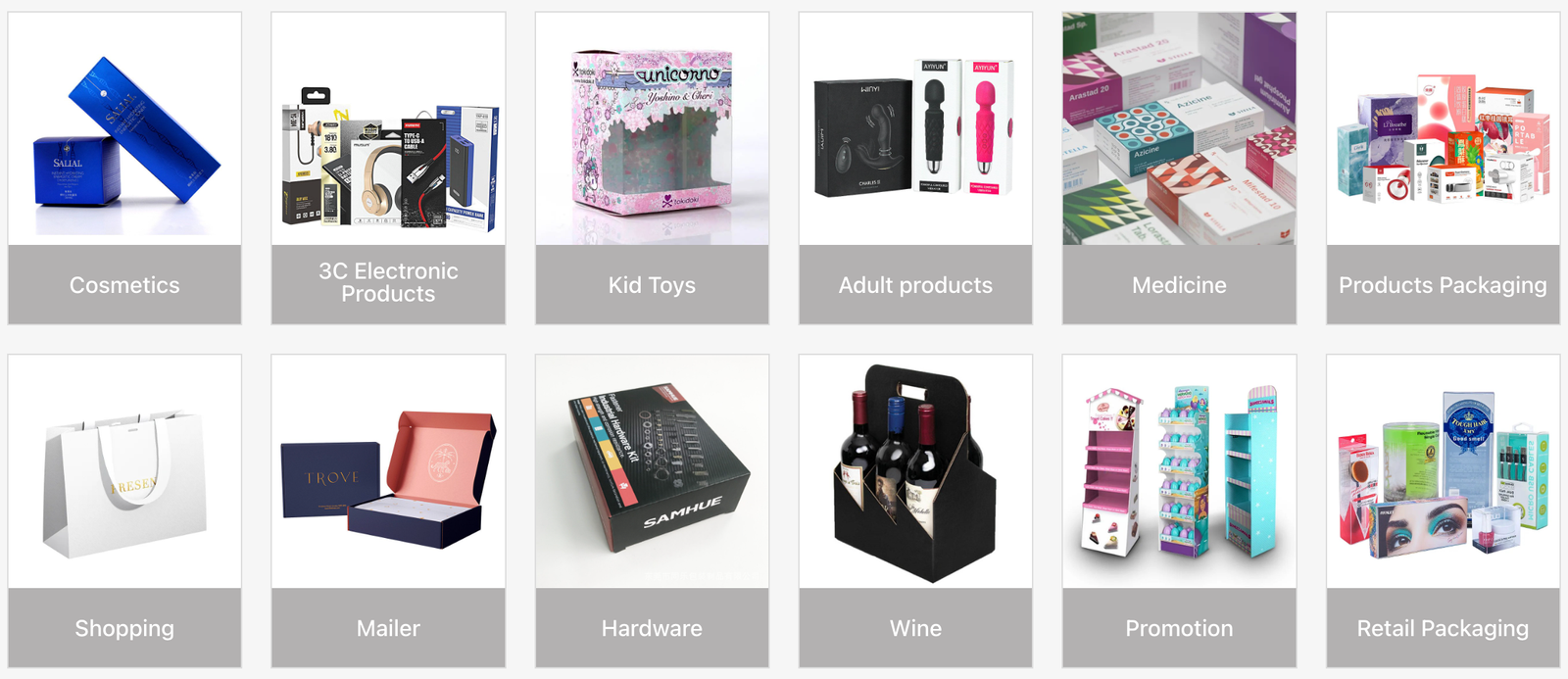
In today’s competitive market, your product’s packaging is the first physical touchpoint with your customer. A beautifully printed gift box is more than just a container; it’s a silent salesman, a brand ambassador, and a crucial factor in the unboxing experience. The foundation of any great box lies in its material.
With so many options available, selecting the right one can be challenging. This comprehensive guide will break down the most common types of printing box materials, their pros and cons, and ideal applications to help you make an informed decision that elevates your product.
The Core Materials – Understanding Paper Substrates
The base material, or substrate, determines the box’s durability, print quality, and overall feel.
1. Art Card (or White Cardboard)
-
Characteristics: High purity, superior stiffness, a solid feel, and a very smooth, white surface perfect for printing.
-
Pros: Delivers vibrant, high-fidelity color reproduction. Creates a premium, luxurious impression with excellent structural integrity.
-
Cons: Higher cost compared to other options.
-
Ideal For: Luxury goods, high-end cosmetics, electronics, jewelry, premium liquor boxes, and gift boxes.
-
SEO Keywords: Art Card, White Cardboard, Premium Gift Box, Luxury Packaging Box
2. Grey Back Cardboard (or Chipboard)
-
Characteristics: Features a white, coated printing surface on one side and a grey back.
-
Pros: Offers great stiffness and a very cost-effective solution. The best balance of quality and price for many businesses.
-
Cons: Can be slightly less rigid than art card for very large box sizes.
-
Ideal For: Food packaging, pharmaceuticals, daily consumer goods, small appliances, and toys.
-
SEO Keywords: Grey Back Cardboard, Cost-Effective Boxes, Cosmetic Box Printing
3. Art Paper (or Coated Paper)
-
Characteristics: Has a special coating that creates an exceptionally smooth, glossy surface like a mirror. It provides the best possible canvas for ink.
-
Pros: Unbeatable print quality. Colors are bright and sharp, with exceptional detail and clarity.
-
Cons: Lacks inherent rigidity. It is almost always laminated or mounted onto a sturdier board (like corrugated cardboard) to create a finished box.
-
Ideal For: Boxes requiring high-impact imagery, such as smartphone boxes, cosmetic gift sets, and electronics accessory boxes.
-
SEO Keywords: Art Paper, Glossy Printing, Laminated Gift Box
4. Corrugated Cardboard
-
Characteristics: Made from a fluted corrugated sheet sandwiched between two liners. Known for its strength, durability, and excellent cushioning.
-
Types and Uses:
-
E-flute, F-flute, N-flute (Micro-flute): These have very small flutes, creating a thin and rigid board with a smooth surface that can be printed on directly or laminated. The result is a slim, sturdy, and high-end box perfect for small electronics, luxury inserts, and pizza boxes.
-
B-flute, C-flute, BC-flute: Thicker and stronger, used primarily for shipping cartons. For retail-ready boxes, these are typically laminated with art paper or art card.
-
-
SEO Keywords: Corrugated Box, E-flute Box, Shipping Box Printing, Rigid Boxes
Comments (0)